Friday, 4 September 2026

The North East Again - May Contain Sculptures

The weather still wasn’t perfect for a trundle from the hotel into Sunderland City Centre but as it’s my last day away needs must. 

From the hotel I made my way along the proms, grabbing a couple of photos on the way, and then round past the marina to the riverbank. There are several sculptures to be seen along here, some of which may feature in a future project, probably the most famous is Molly, the shipyard welder, but the most appropriately situated is Codex Amiatinus since the backdrop includes shelves of books in one of the University buildings.
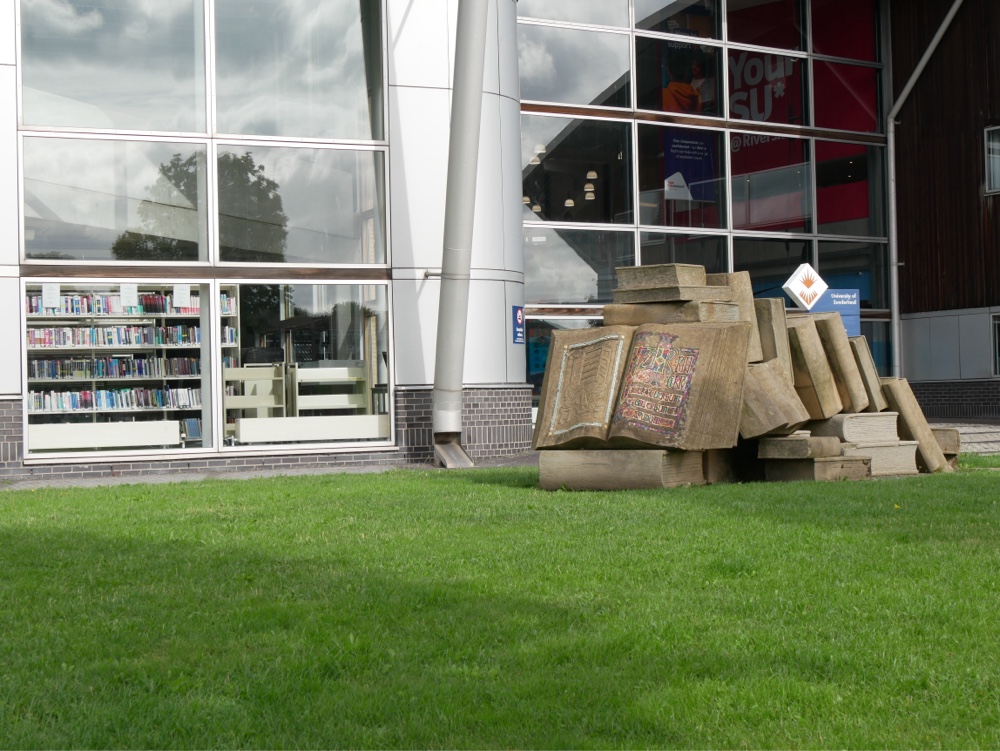
There were three copies of the original Codex, the world’s oldest surviving Latin vulgate bible, prepared by the monks of the combined  Monkwearmouth-Jarrow Monastery in around 700AD; one copy survives in the Laurentian Library in Florence. 

I stopped at St Peter’s Church to get a cup of coffee from the Bede’s Bakery tearoom and had a look round. Parts of the building are from the earlier monastery but most is a later build, towards the altar is where the scriptorium would have stood and where the Codex, or parts of it,  may have been scribed (some people ascribe the whole of the work to Wearmouth, my view is such a huge work was more likely carried out at both monastic sites). 
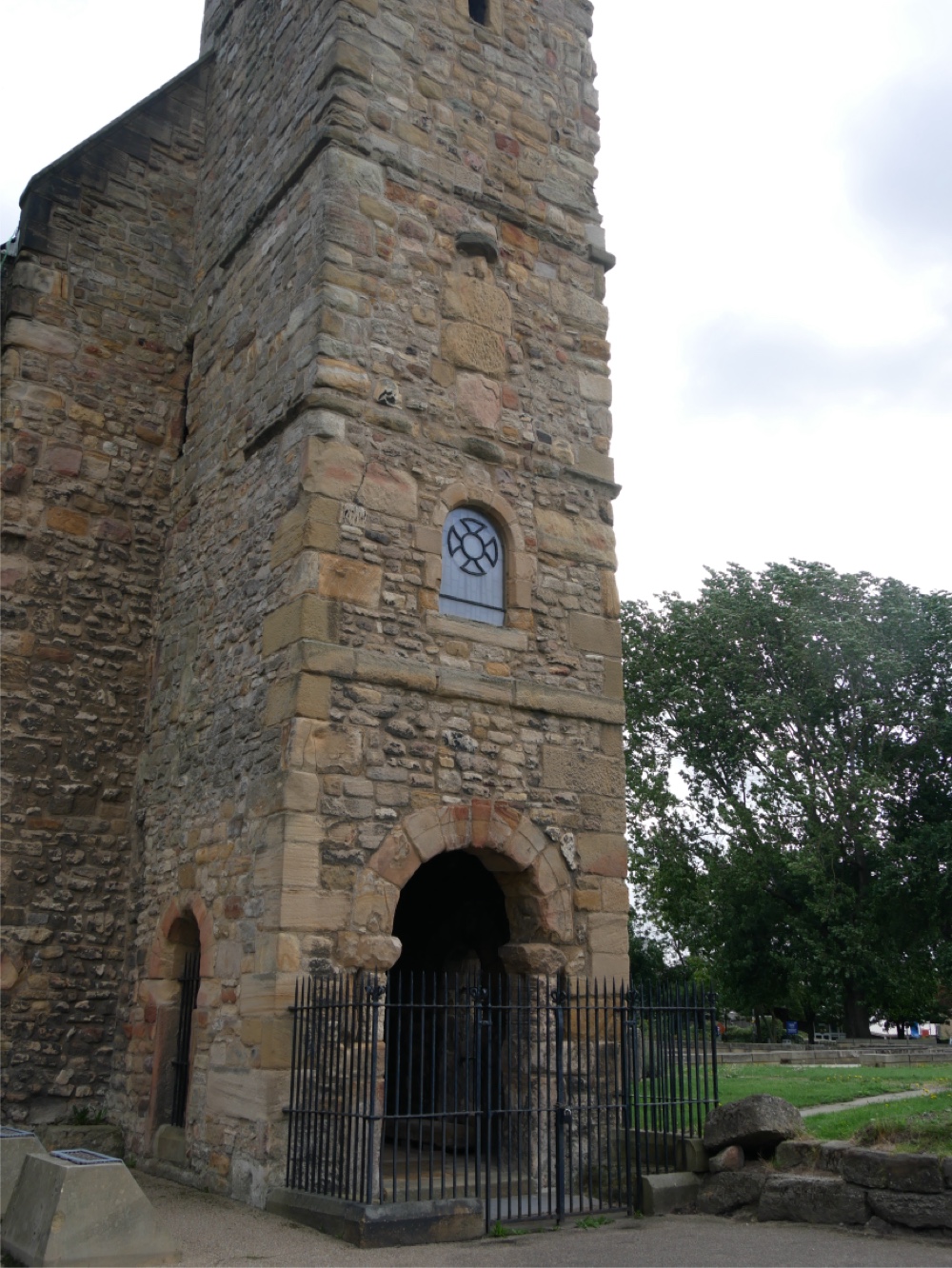
The West Door dates back to the 7th Century.

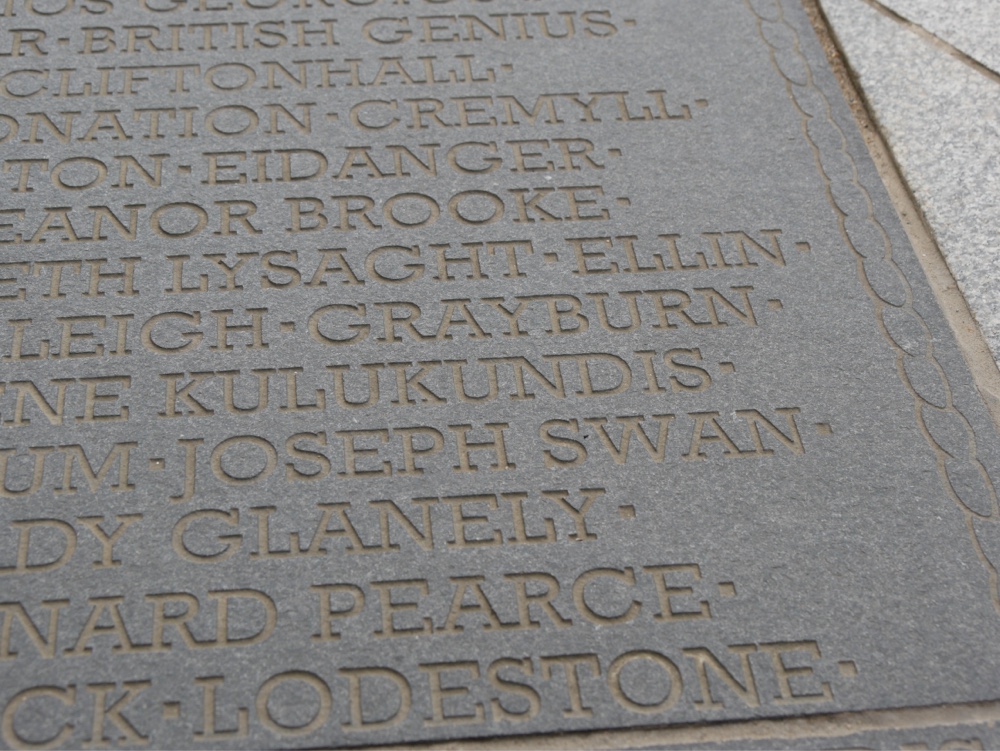
Part of the recent redevelopment of the City Centre included a new footbridge, the Keel Crossing, and leading up to it is the Keel Line, listing all the known ships to have been built on the Wear. I had two targets to spot, one of which was the collier the SS Joseph Swan, launched by S.P.Austin and Son in 1938 for the London Power Co. She was sunk in September 1940 by a torpedo from an S Boat off Harwich; there was one survivor but a family member, the Chief Engineer, William Schofield, was killed. 

Another sculpture is Workers of the Wear, images from the area on a rotating “propellor“, it’s possible my Uncle Fred is in a picture of shipyard plumbers.
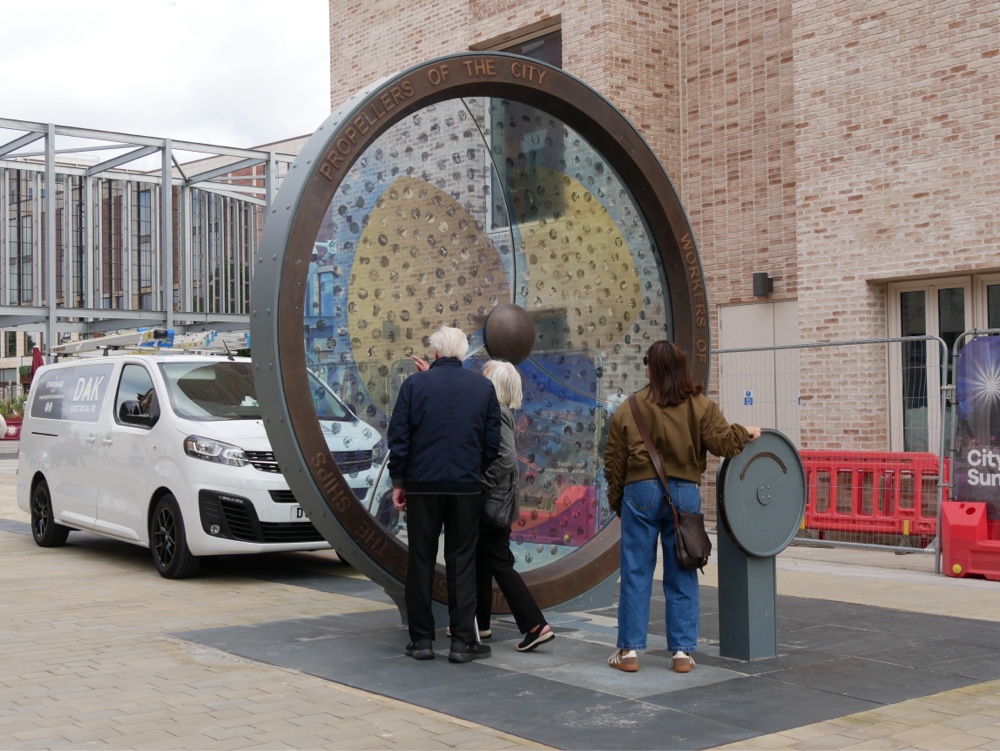
A photo of the gentleman in this picture is on the sculpture.

I was starting to tire a bit and decided it was lunchtime so I popped into the Keel Tavern for a pint of their house ale, the beer was nice and the barmaid was very friendly and helpful, before recrossing the river to Sheepfolds Stables. This is another piece of regeneration, in the shadow of the football stadium, where a derelict set of buildings have been turned into a hospitality venue hosting various food and drink options; my target was Si King’s Propa Pies, the Chicken, Bacon and Leek was definitely “propa” served with creamy mash and tasty gravy. 

From there it was very much a case of trundling back to the hotel, taking advantage of the dedicated cycle tracks to wind the scooter up in 8mph Class 3 mode. An oddity in the law means I can do this on a separated cycle track but can’t enter a cycle lane that’s only delineated by a white line! 

I ended the day with rump steak cooked just hire I like it followed by cheese and biscuits - a perfect end to the holiday. 

Thursday, 3 September 2026

The North East Again - Bishops, Pitmen and Romans

I’d originally planned to spend time in Bishop Auckland itself on Monday but then found the Wensleydale Railway was operating the full line so plans changed and I went today. Some things I’d visited before, some were new, and some had a different perspective. 

After a coffee in the town hall cafe and buying my pass the first visit was to the Faith Museum (one of the new attractions), this was partly because I was advised it was a good time between school parties. It tells the story of religion in Britain from the prehistoric through to the present day, obviously with a Christian focus but not neglecting other faiths. There are some interesting artefacts and they do a good job bringing things to life. The only area I didn’t really entirely get was the modern art section - a lot of surrealism that defies the stated meaning to me. 

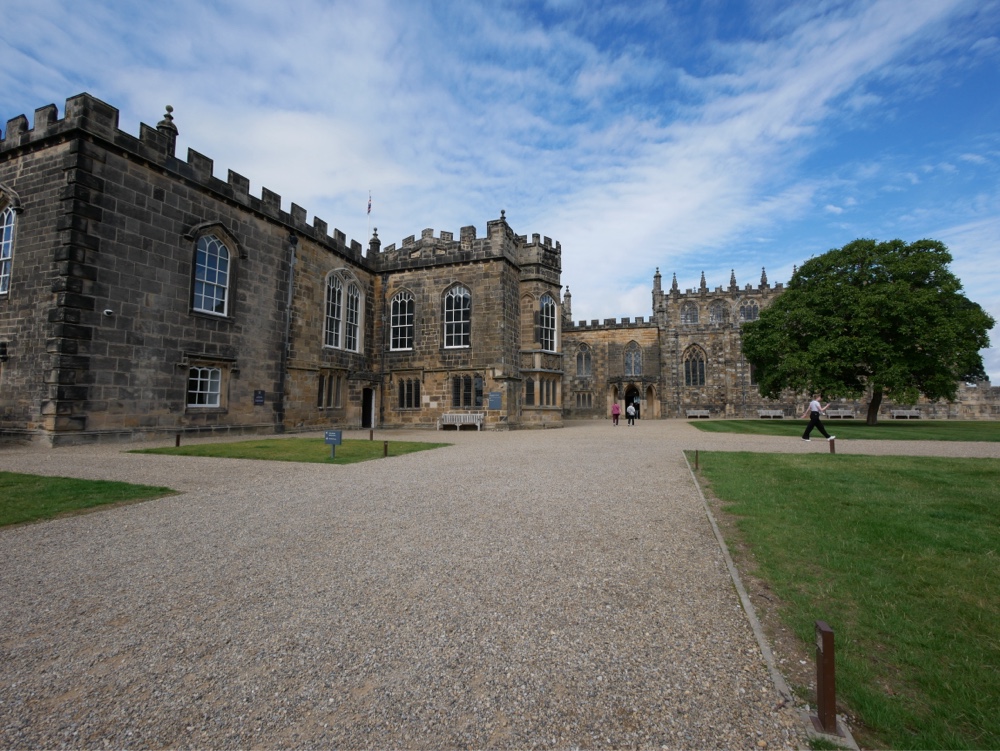
After negotiating my way back to the main entrance I toured round the Castle itself, the former Palace of the Prince Bishops of Durham. 

It’s spectacular in many places but I struggle to see the relevance of much of the artwork. I did have a discussion about this with one of the guides, an art expert, and in the end we agreed there are two sides to the argument but we both couldn’t help thinking the money could have been much better spent elsewhere, on the other hand it’s now bringing in tourists and is instrumental to the regeneration of the town (it was the proposed sale of the art collection by the Church that started the Auckland Project). 

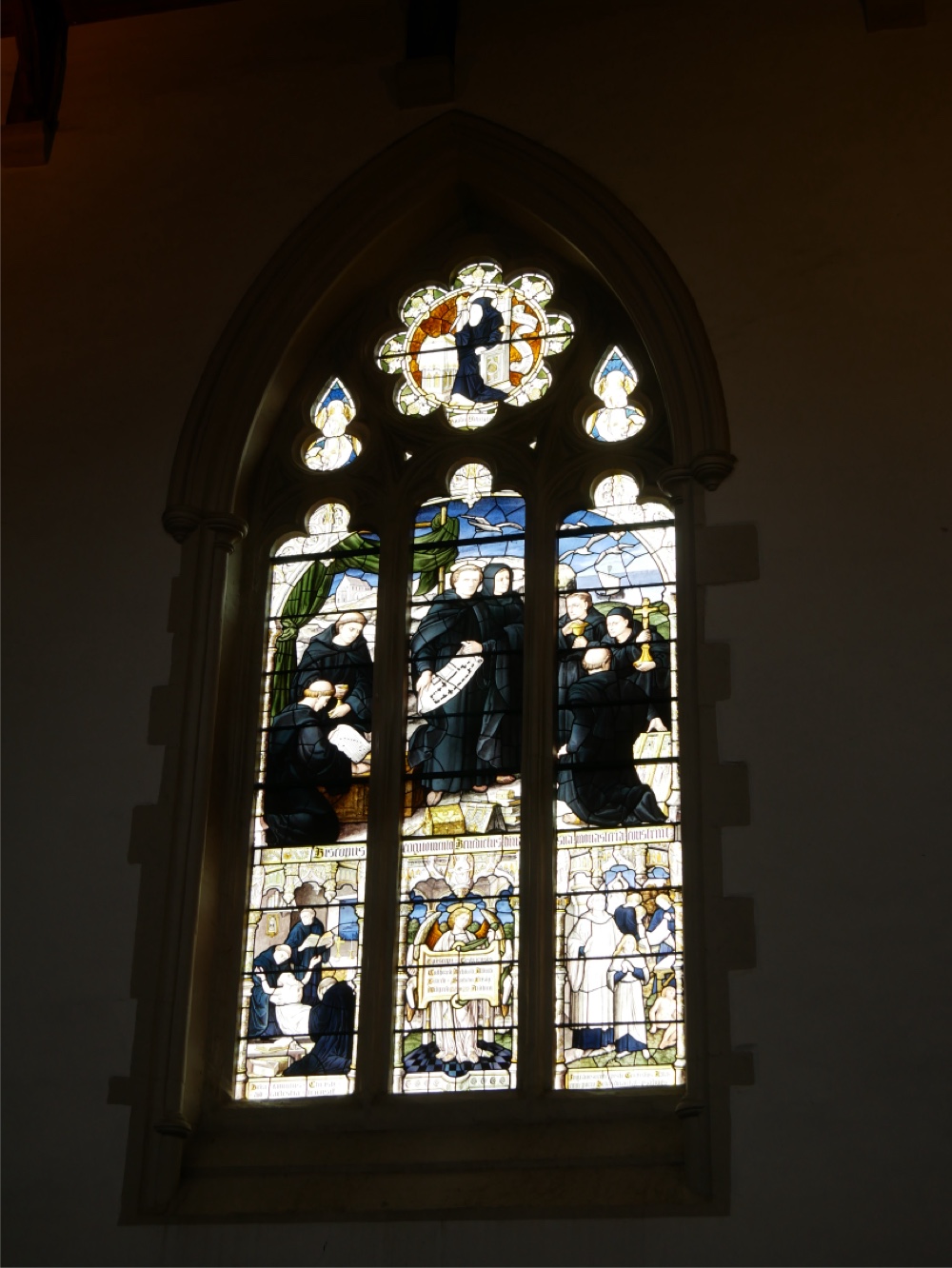
The stained glass windows tell the story of St Cuthbert. His remains were carried from Lindisfarne by the monks after the Vikings sacked the monastery, here they’re planning the building of Durham Cathedral.

The next visit was to the Mining Art Gallery which I think has improved and expanded since my last visit. As it’s in what is basically a house getting the scooter round was tricky in places but I managed. Most of the pictures were produced by miners, often painting after work as part of Workers Educational Association classes such as the Ashington Group, known as The Pitmen Painters. The pictures in the gallery are probably the best examples, certainly some I’ve seen elsewhere are much more naive. As I’m changing pictures at home I came away with a print which will be framed and hung when I get back. 

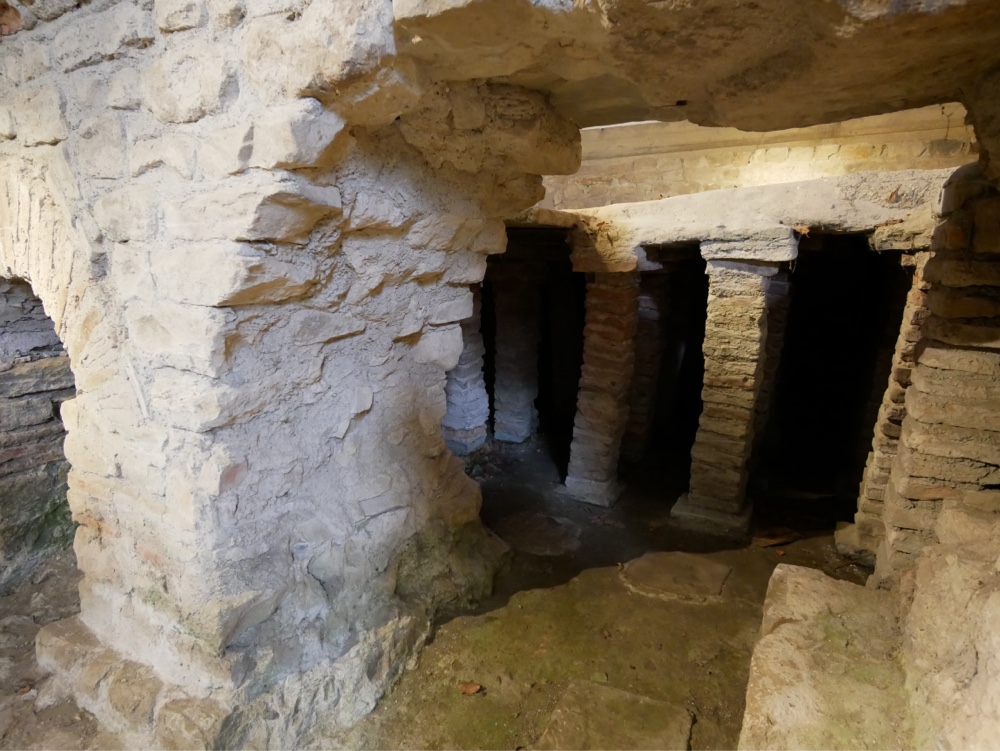
After a sandwich for lunch I loaded the scooter back in the car and drove the short distance to Binchester Roman Fort; this was run by the County Council but was absorbed into the Project this year. The Fort’s claim to fame is that it was substantially larger than both Housesteads and Vindolanda, however a lot less still remains. The bathhouse is the best preserved building, with some fairly intact hypocaust, it was worth going but there’s some repairs and improvement needed. 

Underfloor heating - Roman style!

Throughout the day, and indeed all week, I’ve had a lot of assistance from the staff and volunteers at the various venues - I have sent an email to The Auckland Project saying thank you, I realise my bigger scooter is really on the limits for some places size wise, and I’ve had to get off and lift the back end round a couple of times, but I know I’d have really struggled to do everything with the smaller one.

Wednesday, 2 September 2026

The North East Again - Not a Lot!

With a dodgy weather forecast I decided today would be a good day to go into Newcastle. The original plan had been to go through on the Metro but whilst I could have done so with the small mobility scooter, which folds, I can’t take the large one on so I had to drive. For simplicity I parked in the Eldon Square multi-storey, and found a disabled space right by the entrance to the shops which made life easy, the only problem was it wasn’t a very long space so I had to park in forwards and unload the scooter in the roadway. 

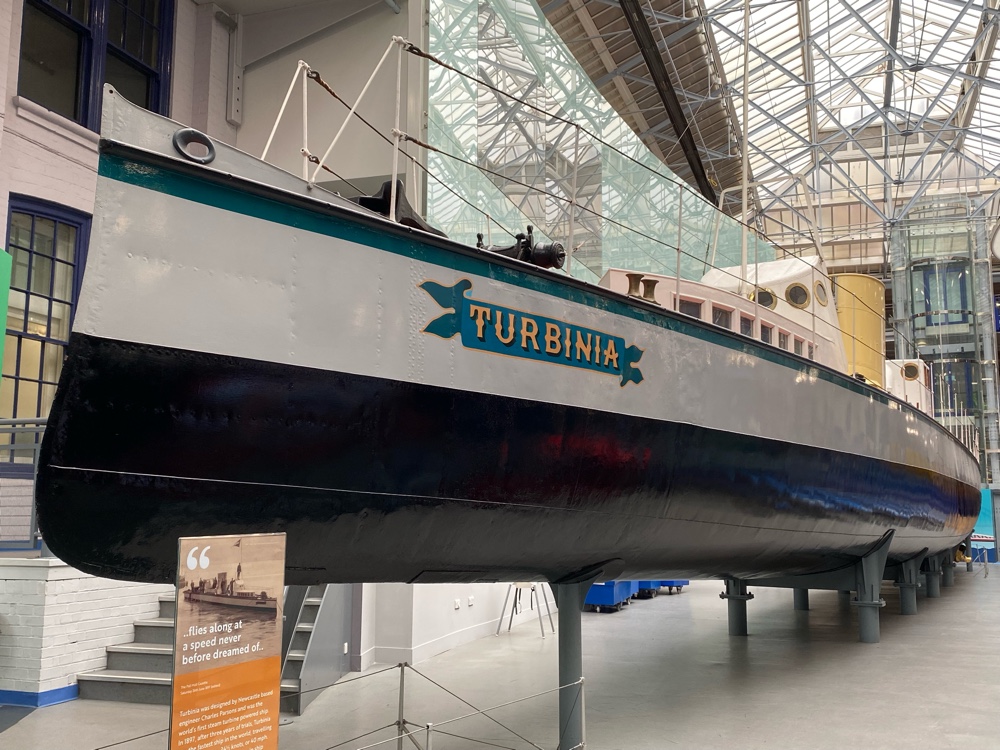
The two objectives were a revisit to the Discovery Museum and to check out the revamped Grainger Market. Once I actually got into the former (there’s building works going on and it’s not very well signposted) I spent a couple of hours just browsing round the displays starting with Turbinia - I first saw the ship back in 1982 when she was sat in a building on the Town Moor by where we were canoeing. 

This was the first turbine powered steamship, built by Charles Parsons in 1894 as an experiment. She was the fastest ship in the world at the time and was famously demonstrated, without an invite, at the 1897 Spithead Review; by 1905 the Admiralty decided all future Navy ships would be turbine powered, and in 1906 The Dreadnought became the first such warship - the turbine continues to this day driving nuclear submarines. 

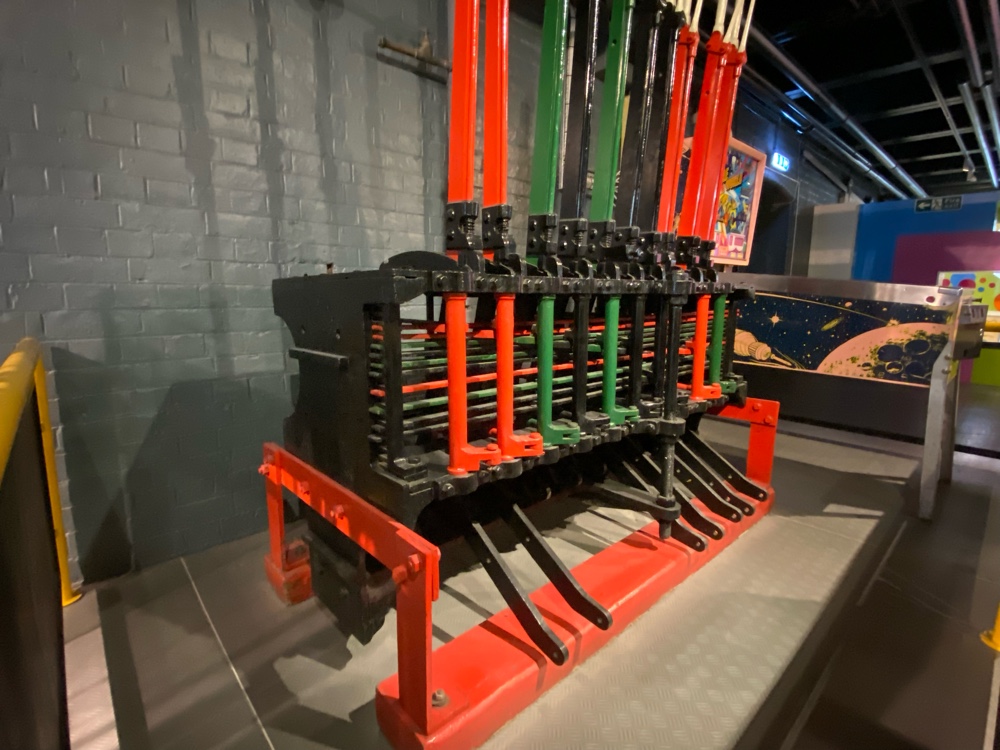
It’s not often you see a signal lever frame with the safety locking on view and described on the information board.

The Grainger Market, back in the 1980’s when I shopped there, was a busy, and noisy, retail hub with everything from fresh meat and veg to tools and underwear (it’s got the oldest surviving M&S branch). Last time I visited it was mainly full of vape shops and second hand record stores with just a few of the original stalls left but recently it’s been reinvented as a street food venue, still with a couple of butchers and greengrocers and several other stalls. I ended up having Mac and Cheese Carbonara for lunch but could have chosen food from five continents if I’d wished (there were no kangaroo burgers 😀). 

I was proved right on the weather, it started raining just as I left the museum and stopped just as I drove out of the car park! It was so bad at one point I considered getting the anorak out of the scooter bag but that would have meant admitting to being a southern softy - when in Newcastle…


Tuesday, 1 September 2026

The North East Again - Lots of Trains

The weather forecast and some places I want to visit not being open some days has prompted a revision of which days I go where, so today I went to Hopetown in Darlington on my journey to Sunderland. 

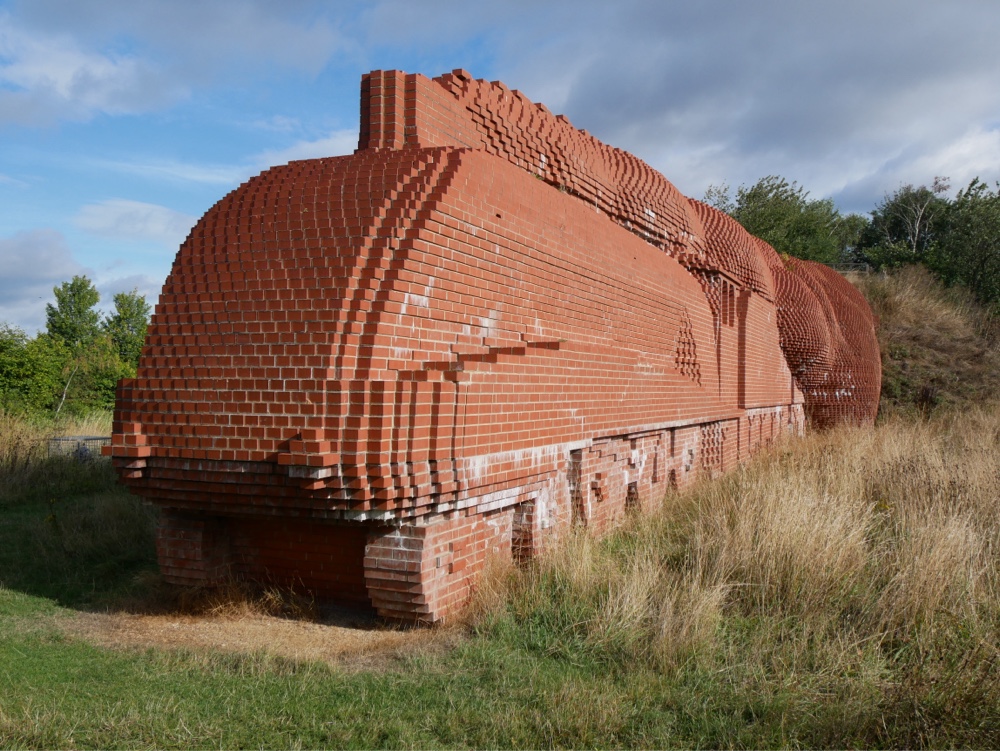
Last time I visited Darlington it was to the North Road Station Museum but some years ago this was expanded with the addition of the adjacent goods shed and carriage works. I took time on the way to stop off at the Brick Train sculpture so arrived just as things opened. 


My first port of call was the A1 Locomotive Trust’s workshop, this is the other side of the railway but there’s a wheelchair lift to the bridge across; I was having a few problems as the door kept trying to swing closed but one of the site maintenance people came over, held the door for me, then dashed up the stairs and made sure I was ok getting out! I got cannier going down and reversed in but the spring was still making it difficult to fully open the door to exit. Although Tornado wasn’t in residence their second new loco build, P2 - Prince of Wales is underway. This class would have been Britain’s most powerful passenger steam locos but unresolved problems meant they were rebuilt as Pacifics, the hope is that with modern engineering they can fix the issues. 

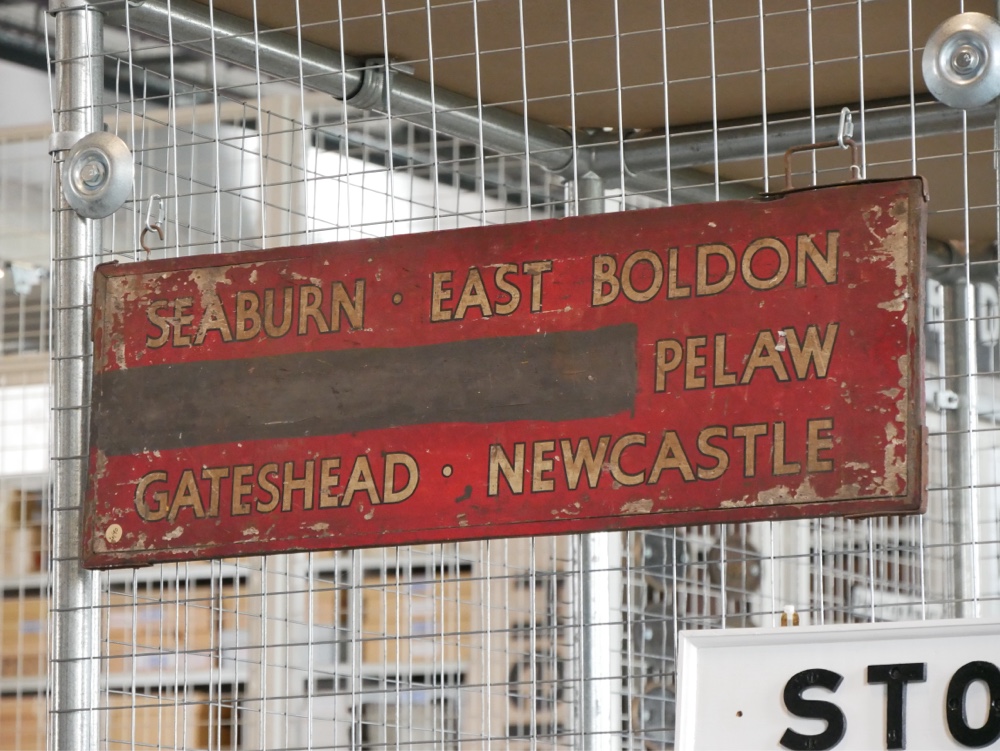
From there I visited the carriage works, an exhibition space, which was closed, and the museum’s artefacts store which you can browse around. I did spot this platform sign which must be from Monkwearmouth Station, I suspect dating from around 1925 when Brockley Whins was renamed Boldon Colliery, hence the painted out name. It reverted to the old name in 1991 before being incorporated into the Metro system in 2002. 

The main museum building is a bit tight to get around as the main hall is literally two of the platforms with infilling between the stock. It’s changed a little since my last visit, but not all that much! I was constantly dodging little kids as I think mum’s had taken the chance to visit now the older ones are back at school but I managed to avoid running any of them over. 

Once I’d had a good look round and had a coffee and teacake and another wander I headed off to Sunderland and the Seaburn Inn. There are two signs you’re nearly there when approaching from the South, the first sight of Penshaw Monument and Houghton Cut - the latter, now on the A690, was first dug in around 1815 to provide a road between Sunderland and Houghton Le Spring and has been progressively deepened and widened ever since.